Numbers Don't Bleed. Stories Do.
Statistics fade from memory, but stories preserve the human emotions behind historical tragedies. Why we must collect, live, and pass down narratives that capture what numbers cannot—the grief, courage, and moral choices that define our shared humanity.
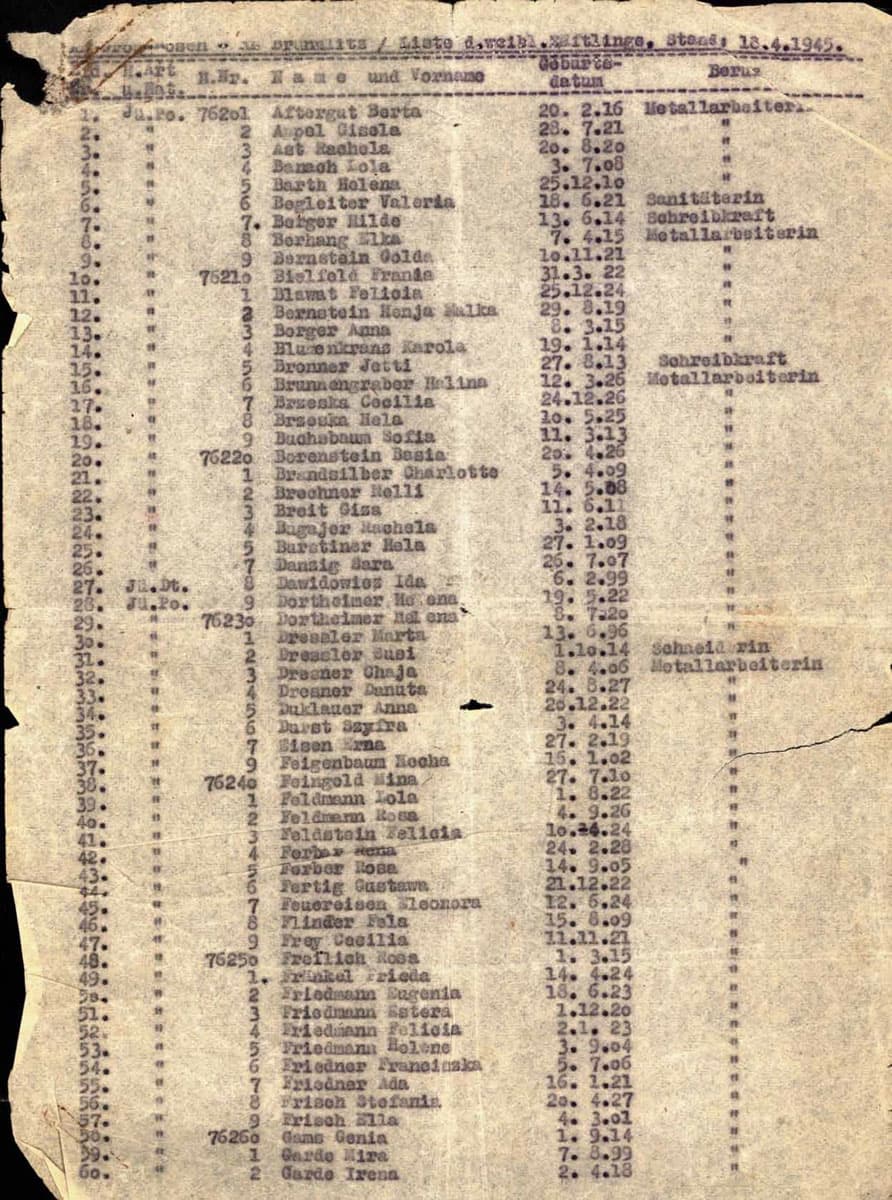
15 million people migrated at the time of partition of India and Pakistan; 1 million people were killed or died in the passage. 6 million Jews were killed under the rule of Nazi Germany. Between 2 to 3 million people died during the Bengal famine of 1943. An estimated 15 to 45 million people died during the Great Chinese Famine. Around 10 million people died in the Congo Free State under colonial rule.
These stats will sweep through your memory and you will forget them, you will have to google it every time you want to know. You will never be able to pass on the sorrows and the horrors of these events to your upcoming generation and they will repeat similar mistakes just in different forms.
Numbers do not justifies the human emotions, stories do at least try -
Oskar Schindler’s exploitation of system being the member of Nazi party and using it to save ~1200 Jews including many children—his story will be passed on to generations showing how individual moral choice could still shine in an industrial killing machine.
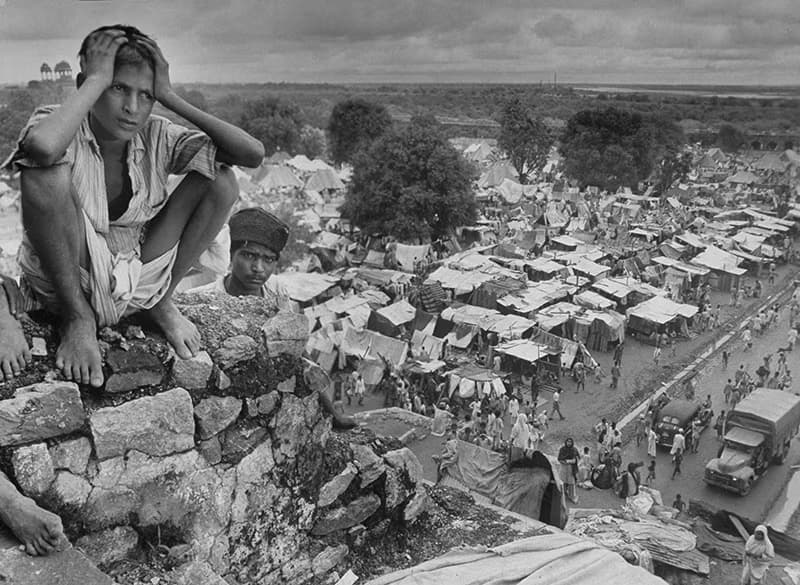
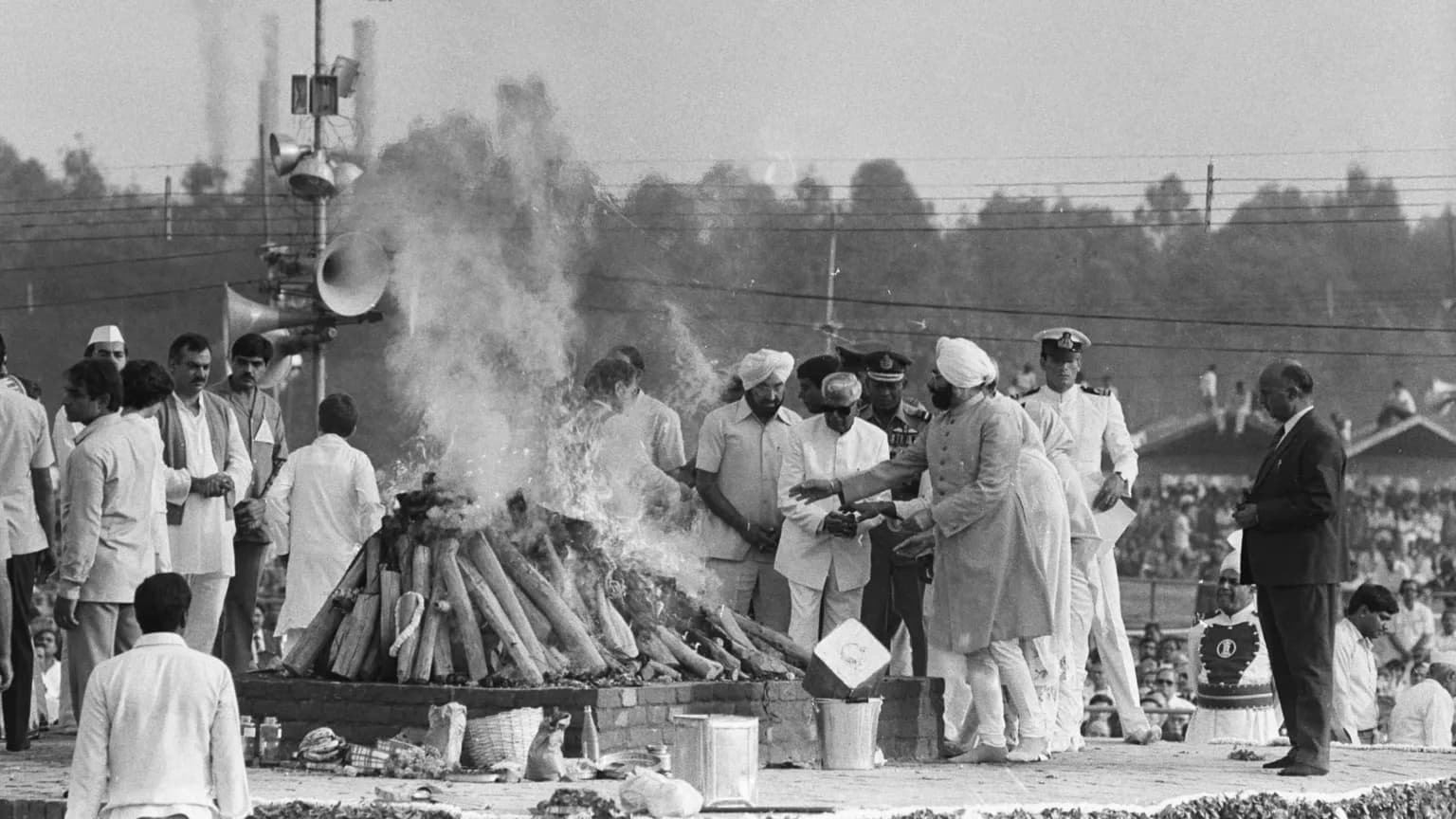
Generations of stories of families uprooting their lives and moving across the border to find a new home, new life, new society will be passed on to the generations showing the grief, sorrow and horrors of partition, hatred and religious dogma of the time.
Though not a public figure Harban Lal’s act of opening doors for Sikh brothers and sisters providing refugee food and confronting the mob that came searching for the victims in 1984 anti sikh riot will be passed down orally.
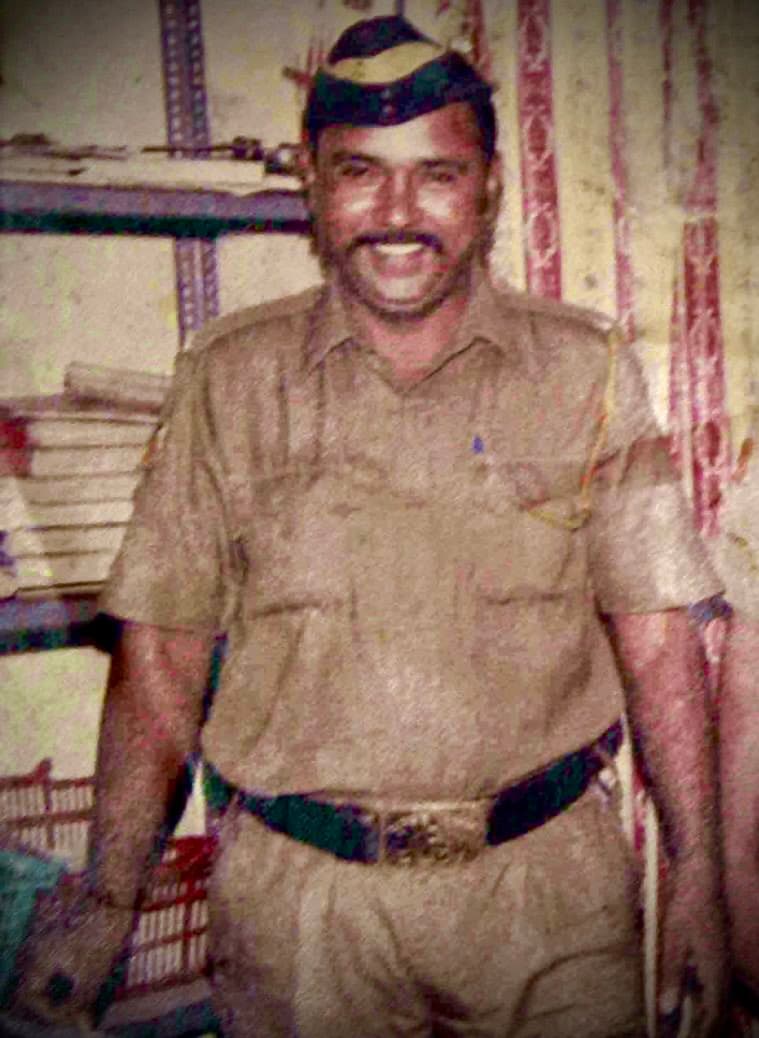
The heroic act of unarmed constable Tukaram Omble grabbing Ajmal Kasab’s rifle, absorbing bullets and enabling capturing him alive may not make us experience the actual happenings but will definitely give us a peek into the horrors of terrorist attacks of 26/11 in Mumbai.
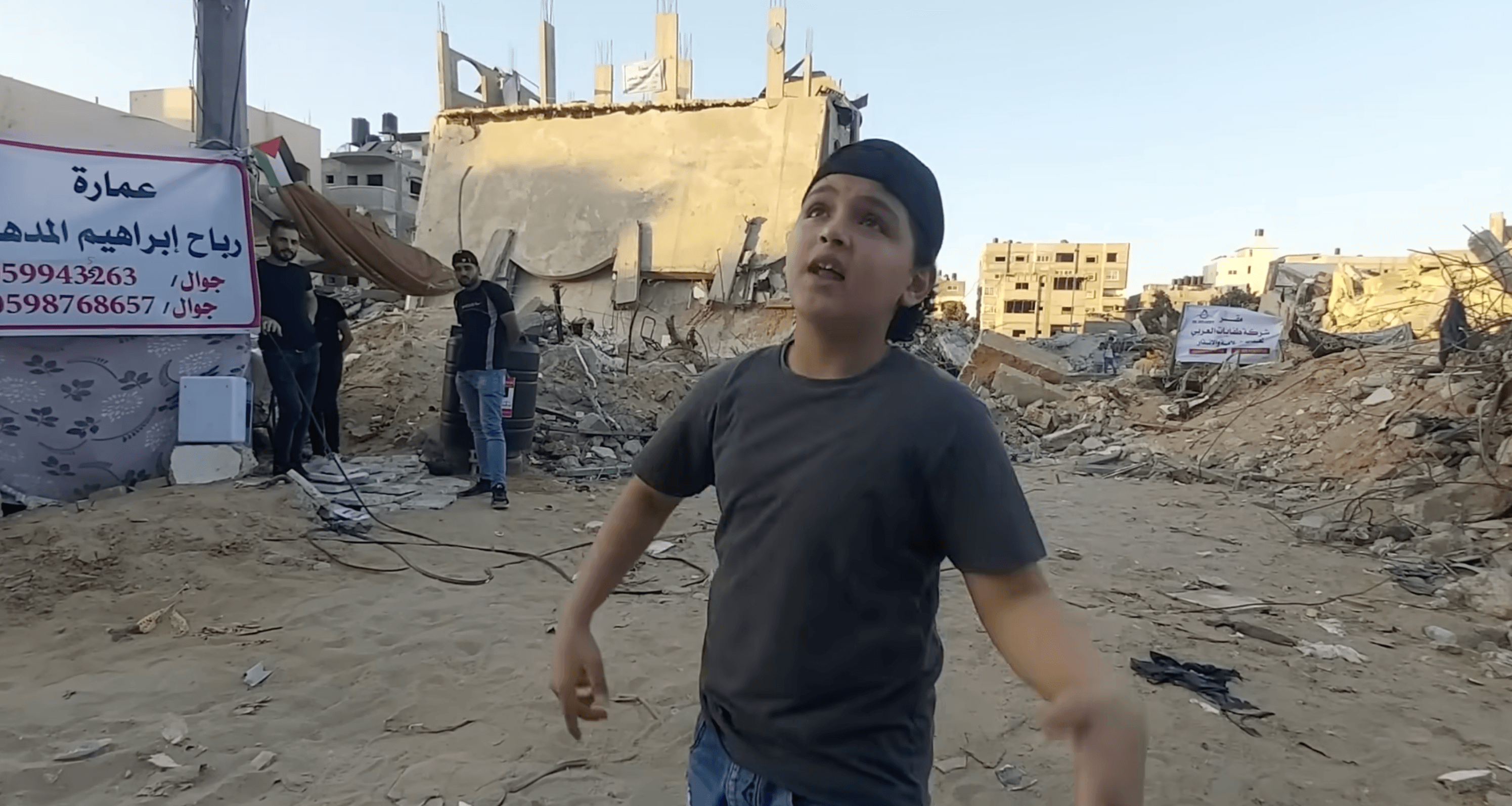
The lines of 12 year old rapper MC Abdul “my 4th war in 12 years” will be etched in the history of Palestine, his voice will carry the moral shock of a kid who has to face the cruelty of the world instead of enjoying his childhood.
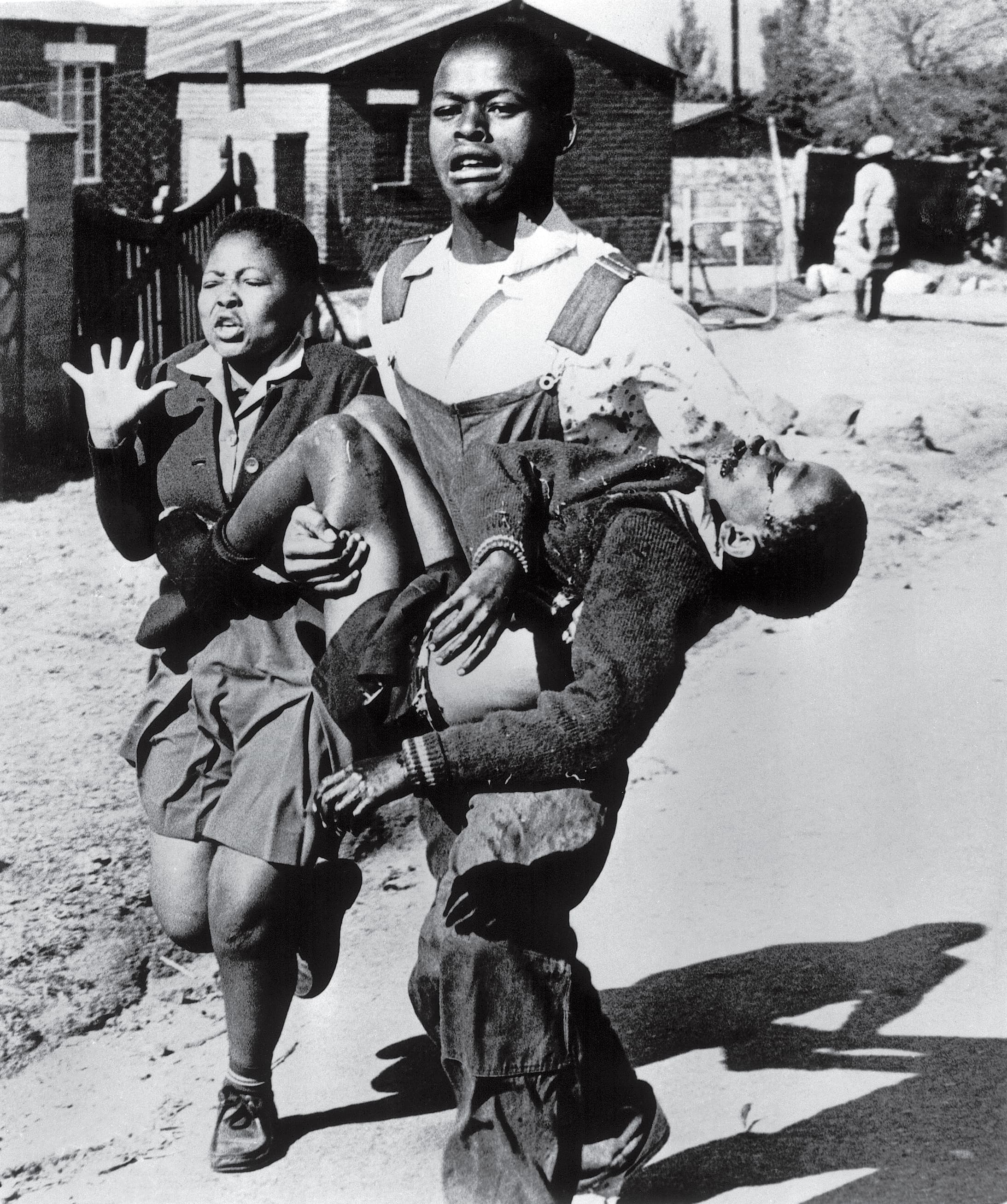
The photograph by Sam Nzima showing Mbuyisa Makhubu carrying the fatally wounded 13-year-old Hector Pieterson shot by apartheid police during the Soweto Uprising which shattered global indifference and turned a local protest into an international outrage, will be shown to generations as a mark that sometimes you do not choose to be a symbol but system chooses you as a target.
Countless such historical events will show the open wounds of human suffering. Eventually wounds will heal, but scars must remain in form of stories.
I am using stories of horrors and courage at the time of adversity to convey that numbers may tell you the incidents, stories will tell you the human emotions.
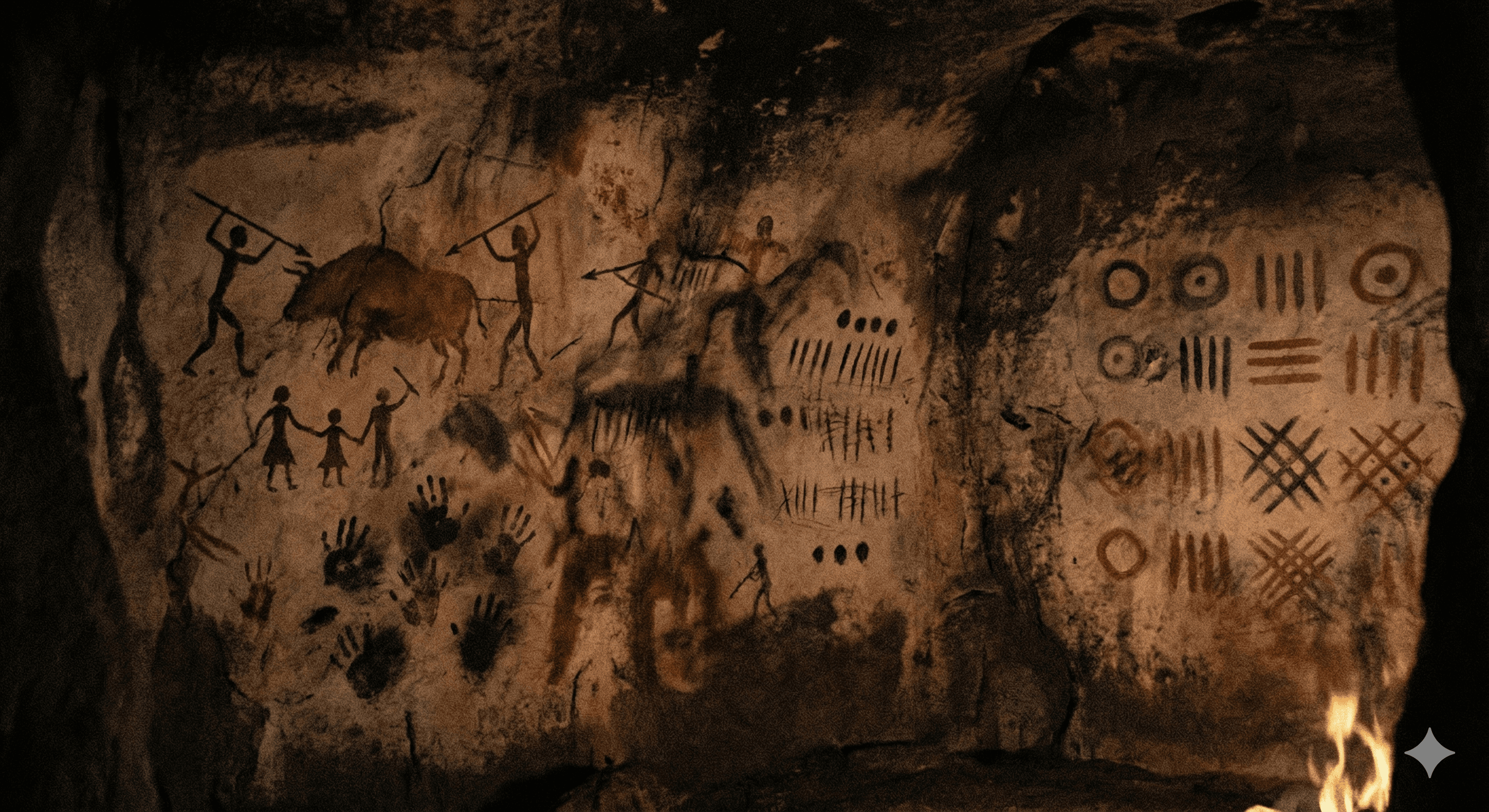
As a society wrapped in complex dynamics of daily life, it is important for us to live the stories, collect the stories and pass them along.
It is important for human experience to chase the adventure, travel the world, laugh at silly incidents, chose a challenge and pursue it with your heart, fly with the wind, swim against the tide and stand with your morals but more importantly collect stories while doing so. Narrate it to your friends, siblings, and kids. Document it in video, photos and writings. If you do not have someone to share your stories with be the one who will listen to the stories of people and you will find someone to listen to your heart and understand your emotions when you tell your tale.
Some references from the incidents mentioned in the essay :