The Intimacy of Travel
On how the places we visit become part of us, even after the memories fade.
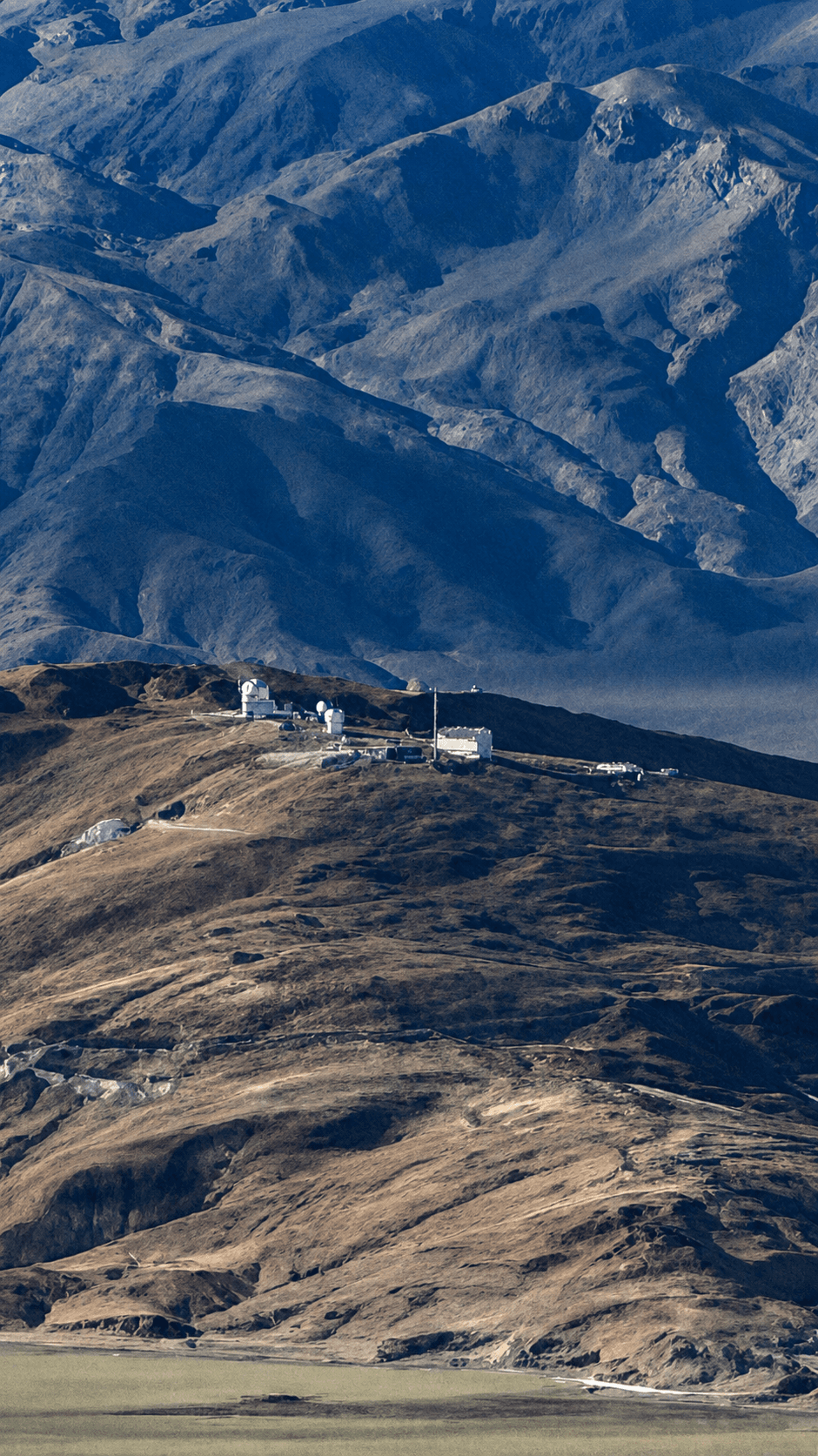
I unzipped my bag and all the items pounced out of my bag like a cat. I gave out a huge sigh as I stared at it, dirty trousers, smelly socks, dusty jackets, and a whole lot of clothes that went around the Himalayas to finally meet their fate of circling in my washing machine. While I was staring at the laundry, my mind was still occupied by memories of the trip. I was still in the Himalayas, riding across the mountains of Ladakh, thinking about the sharp deadly turns, the open roads, the chilling wind cutting through the riding jacket, the sound of the engine and obviously the mighty and beautiful mountains.
Then, I stared back at the laundry work ahead of me – this time with my entire thought – and I questioned: why do we travel?
The entire act of traveling is out of our comfort zone for us as humans, visiting a new place, with unknown conditions, with new people, along with the added acts of adventure like riding a bike across tricky Himalayan roads. All of these things would go against our primate brain built for survival and safety. Then, why do we yearn as humans to travel?
This question was oddly familiar to me. As a kid, I picked up the habit of reading from my parents; I would read all sorts of books, short stories, biographies and books about various subjects that would interest me. But I had a constant battle with my memory: I could not remember what was written in a particular book I had read six months ago. I started agonizing over it: why could my brain not remember more than just the outlines from the books I read not even half a year ago? My naive optimistic younger self wanted to solve this problem with my memory, and I started obsessively noting down important ideas, underlining important phrases, writing the summary and the review of the book and so on. Obviously, none of it worked. I was back to stage 0 of my mission "I want to remember what I read".
Slowly, as I grew up, I had a realization: I am not reading the book to remember it, but I am reading it for what I become after going through it. These books allowed me to experience the guilt Amir felt after knowing the truth about his half brother in The Kite Runner, the embarrassment Elizabeth felt when Darcy’s letter exposed how confidently she had misunderstood him in Pride and Prejudice, the terror that made Winston beg for Julia to suffer in his place in 1984, the desperate courage of Jugga risking his life to save the train carrying Nooran in Train to Pakistan and many more. While I will never remember everything that happened in each of these books, they have always taken a part of me and I have kept a part of them as I move along the journey of my passage of time. The purpose of reading books for me now became to give up control and allow them to shape me.
By now I had subconsciously sorted and segregated the pile of laundry that was staring at me. Why do we disrupt our regular flowing normal life and choose to travel? Maybe travel has similar roots of purpose for us as books. We yearn to travel not to remember every small detail of it. As strong as my memory is now of the roads of the Himalayas, racing with the kids on the farm, eating at a secluded food joint for a lunch break, staring straight for an hour at the sky in awe of the visible Milky Way, the names of the places I witnessed, or the people I met along the journey, all of these memories will fade and curl up into a ball of mush in my mind. But it was not just memories I had taken with me; I took away parts of new places and people along the journey and left some of mine. Both the river and the man swimming are now not the same. We travel to take some of the world with us ahead in the passage of time; maybe that is why we travel: to explore what parts of the world belong to us and collect them together like collecting unique stones along the river bed and taking them home.
My laundry train was compartmentalized and ready to leave the platform for its next destination of the washing machine. As the fate of the laundry is to circle in the machine, I hope our fate is to collect parts of the world that belong to us and carry them with us forward in the passage of time.
Keep going
We Need to Write More
Why is our thinking clearer when we write about something than when we just think about it? A short tour through working memory, the motor cortex, and the bottleneck that makes writing magic.
The Critique, The Creator and the Editor Went to a Bar
The three voices you need to make anything — and why letting them work at the same time means nothing gets made. On sequencing creation, critique, and editing instead of letting them clash.
Daal Chawal Happiness
All happiness is small. On cooking my mom's daal chawal, the fleeting nature of every joy — from new sneakers to dream cars — and why the mind keeps fooling us into ranking them.